

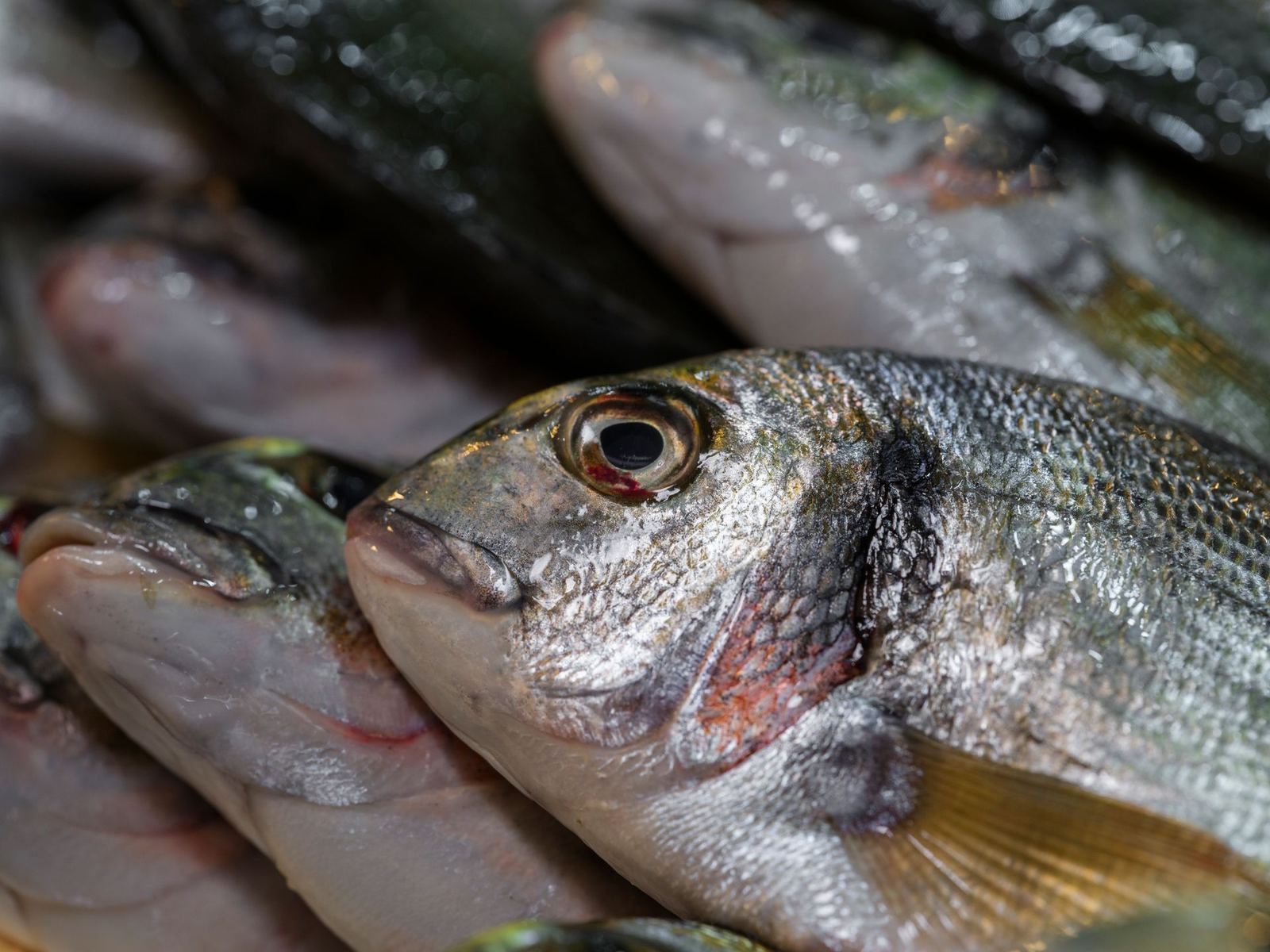
Eyes, gills, skin, firmness, smell and season: the signs our buyer checks every morning.
The first rule of running a fish restaurant is knowing your fish. But choosing fresh fish is not just a chef's job; by paying attention to a few simple signs at the market or fish stall you can pick the freshest fish yourself. Here are the six signs our buyer Selin Yalçıner checks at the pier every morning.
1. The eyes
A fresh fish has bright, clear, bulging eyes. As it ages the eye clouds over, turns grey and sinks. The eyes are the first thing to look at.
2. The gills
Gently lift the gill cover. Bright red or pink means freshness. Gills that have turned brown or grey, or are coated in a sticky layer, tell you the fish has been kept for at least a few days.
3. Skin and scales
Fresh fish has shiny skin, tightly attached scales and a clear, clean film. If the scales come off easily or the skin is dull, the fish is old.
4. Firmness
Press the body lightly with a finger. In fresh fish the flesh springs back at once; if a dent remains, it has lost its freshness. Held by the tail, the body should stay straight rather than droop.
5. Smell
Fresh fish smells of sea and seaweed, with no sharp, sour or ammonia-like odour. The heavy smell we call 'fishy' is a sign of spoilage.
6. Season and size
The freshest fish is fish in season. A species that appears in abundance out of season has most likely been frozen or come from far away. Also make sure the fish is above its legal minimum size; small fish are illegal and damage stocks.
What about farmed fish?
The same signs apply to farmed fish such as sea bass and bream. In addition, check the harvest date and farm details on the label. A good fishmonger should be able to tell you this when asked.
Once you get home
- Put the fish on the coldest shelf of the fridge straight away, on ice if possible.
- Cook oily fish (bluefish, bonito, anchovy) the same day and white fish by the next day at the latest.
- Rinse and dry cleaned fish before storing it.
- If you need to freeze it, clean and portion it first and freeze it airtight.
These six signs summarise the checklist we use at Yalıçapa when accepting fish every morning. Only fish that passes this check goes on our board.
Is frozen fish bad?
No. Fish that is properly blast-frozen right after the catch can be better than fish kept on ice for several days. What matters is that it is clearly labelled as frozen and never refrozen after thawing. Whenever we use frozen products we say so on the menu; every fish on our board is fresh and has never been frozen.
Related Posts
 Guides
By Boat to Dinner: A Guide to Mooring on the Bosphorus
Navigation, current, the poyraz wind and mooring: practical information for guests arriving by boat.